Menu
 

Knowledge base

What you need to know about working safely at height. Written for people who do it every day, not for the brochure.

Safety

Ladders and wind: at what wind force do you stop?

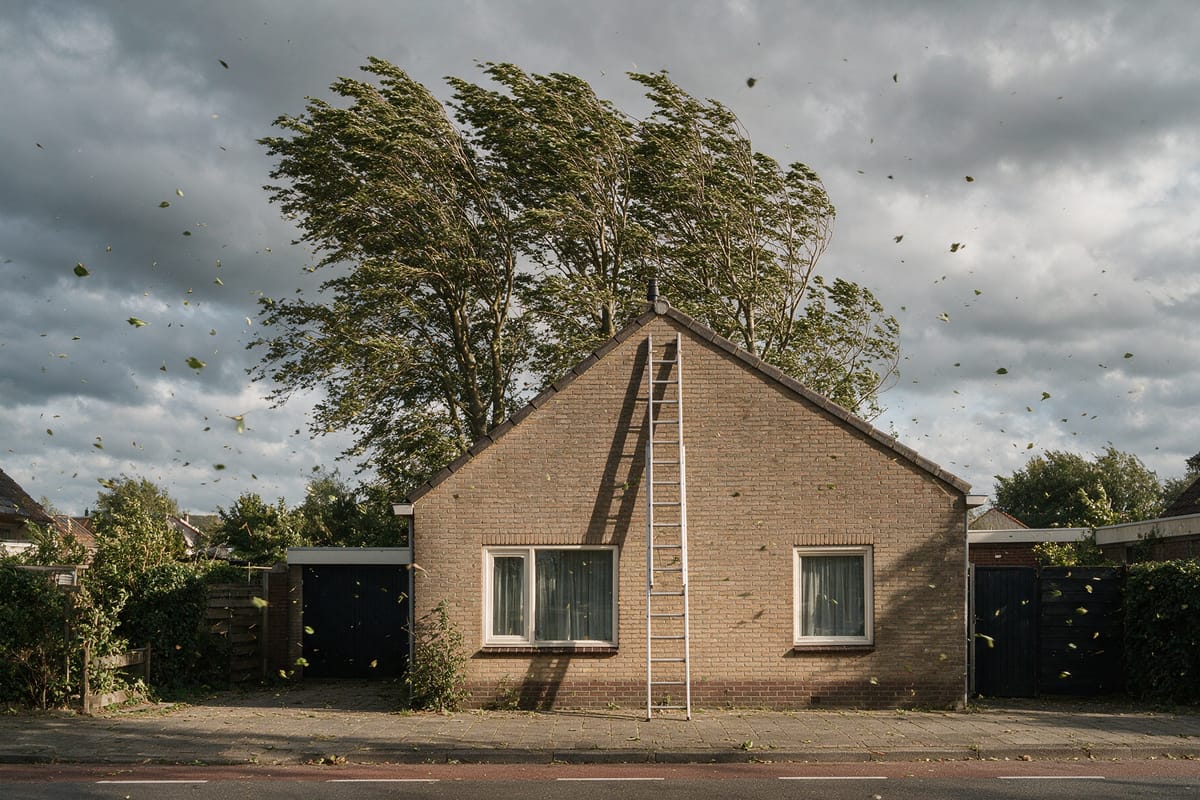
At wind force 6 or more you do not go up a ladder. That is the limit Arbouw uses for Dutch construction, and wind force 6 is an average wind of 39 to 49 kilometres per hour. The law names no number, but in both the Netherlands and Belgium it says you do not work at height when the weather puts safety at risk.

· 3 min read
SafetyNL · BE

A fall from a ladder at work: what must you do as an employer?

In the Netherlands you report a work accident with hospital admission, permanent injury or death immediately to the Netherlands Labour Authority, on 0800 5151 or via the online form. In Belgium you report a fatal accident, or a fall from height with permanent injury, immediately to the inspectorate, and notify your work accident insurer within 8 days.

· 6 min read

Ladder safety

A ladder on sloping or soft ground: how to keep it stable

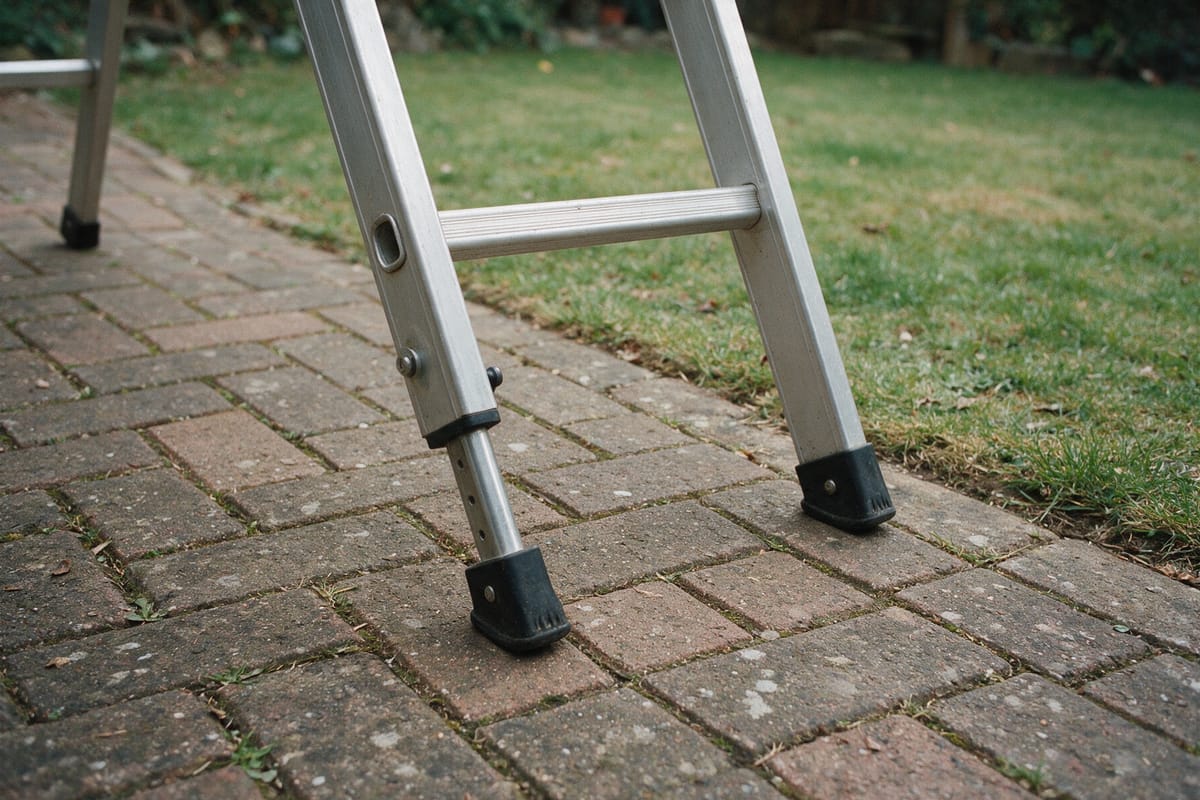
The rungs must stay level and the feet must rest on firm ground that does not move. Article 7.23a of the Dutch Working Conditions Decree requires exactly that. On a slope or stairs you use adjustable legs or a leveller, on soft ground a wide base plate, and you never pack it up with bricks, boards or a crate.

· 4 min read

Ladder safety

Ladder against a gutter: allowed, and how to secure it?

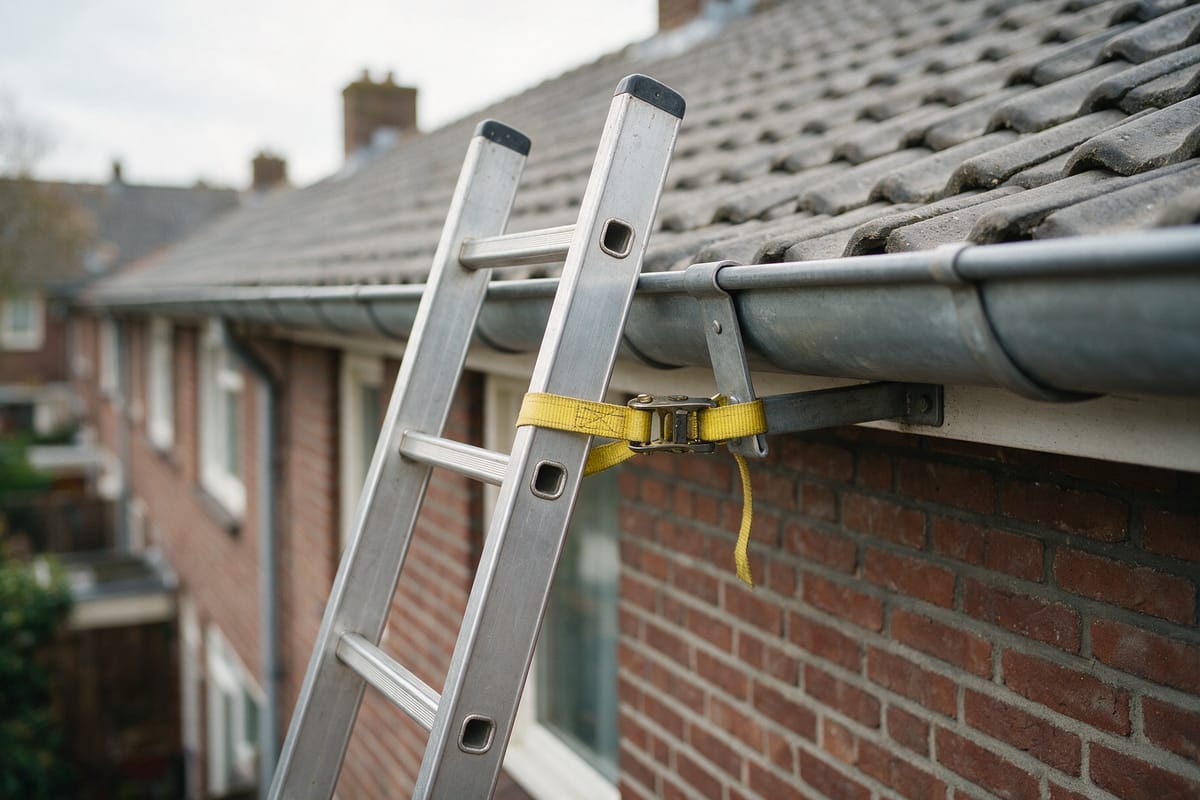
A ladder against the gutter is allowed if the gutter can take it and the ladder cannot slip. Against a plastic gutter you are better off not: use a stand-off that rests on the wall instead. Against a metal gutter you secure the top with a strap or a gutter clamp, and if you are going onto the roof, the ladder extends at least 1 metre above the gutter.

· 5 min read

Safety

Top rungs of a ladder: which ones must you not stand on?

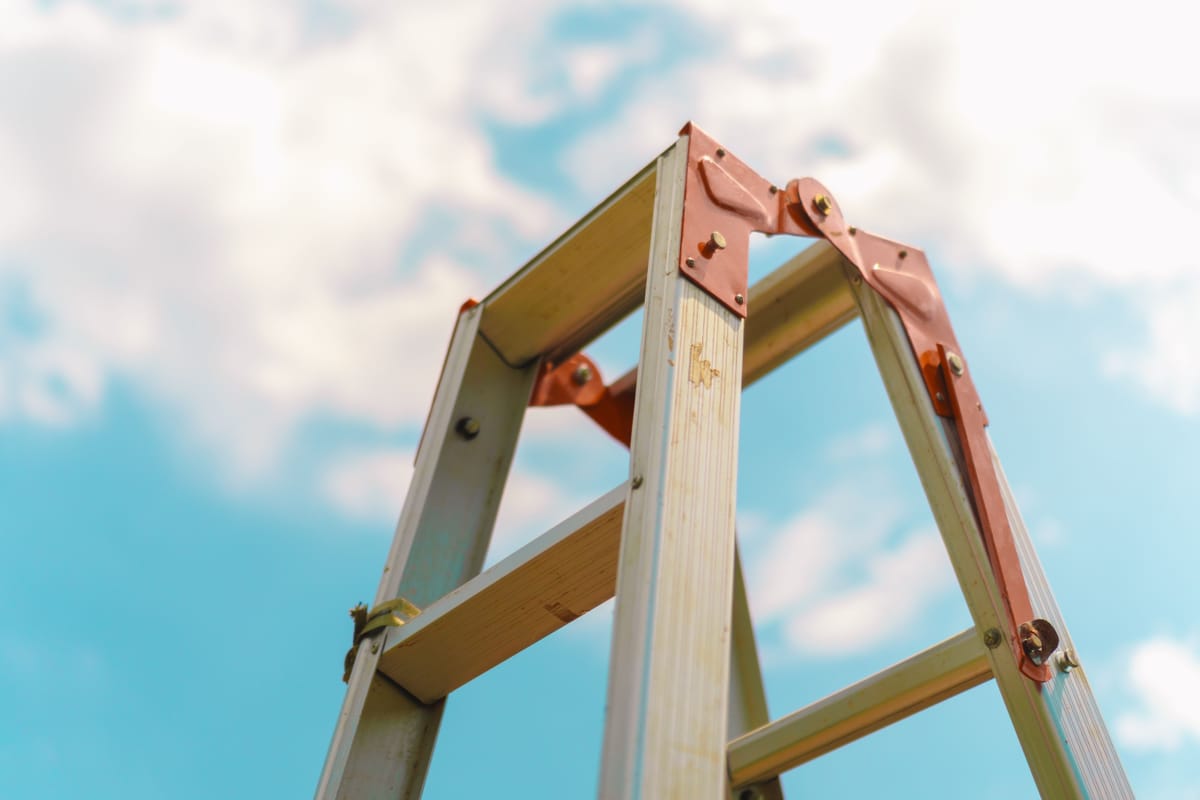
On a leaning ladder the top three rungs stay free, so you never stand higher than the fourth rung from the top. On a stepladder without a platform and rail, the top two steps stay free. This is in the user instructions of the European ladder standard EN 131-3, and usually as a pictogram on the ladder itself.

· 4 min read

SafetyNL · BE

Ladder or scaffold: when may you work from a ladder?

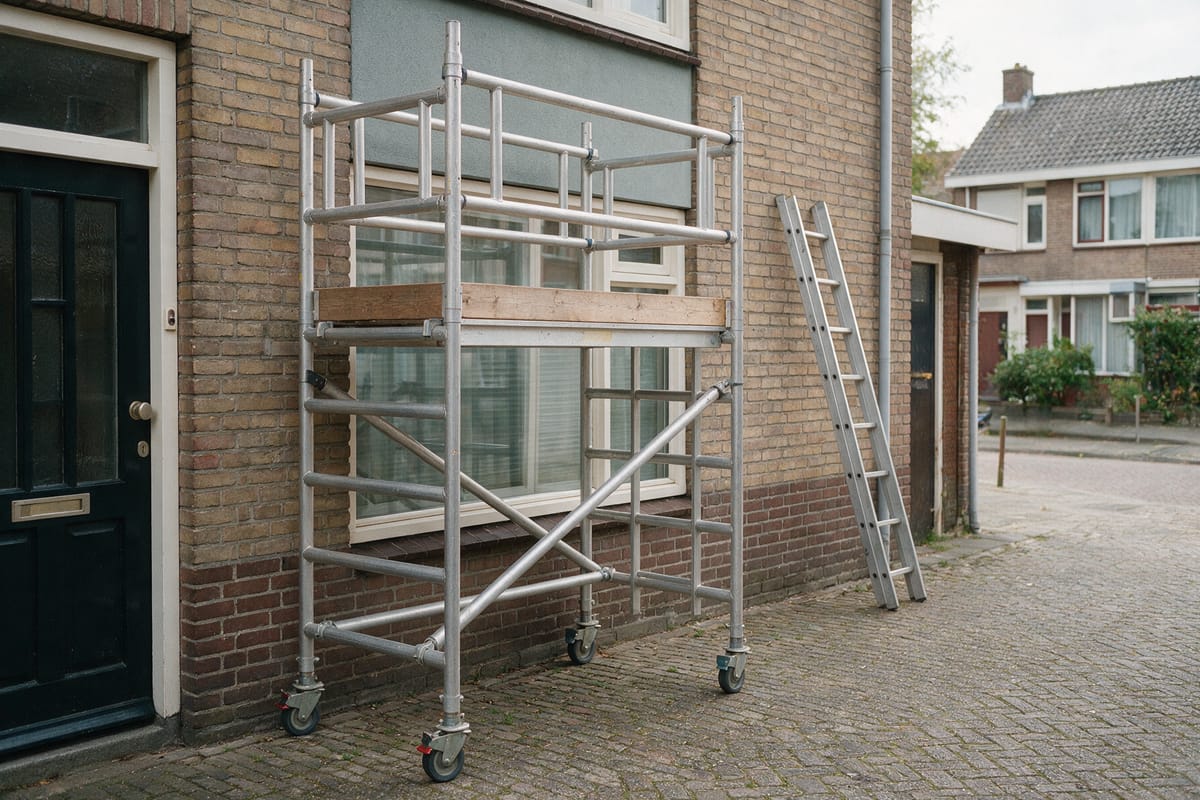
In the law a ladder is mainly a way to get somewhere. As a workplace it is only allowed when the risk is low, and then only for short work or when the location allows nothing else. The Dutch construction sector makes that concrete: under 5 metres standing height, under 2 hours for the whole job, little force, within arm's reach and below wind force 6.

· 5 min read

SafetyNL · BE

Fall protection: from what height is it required?

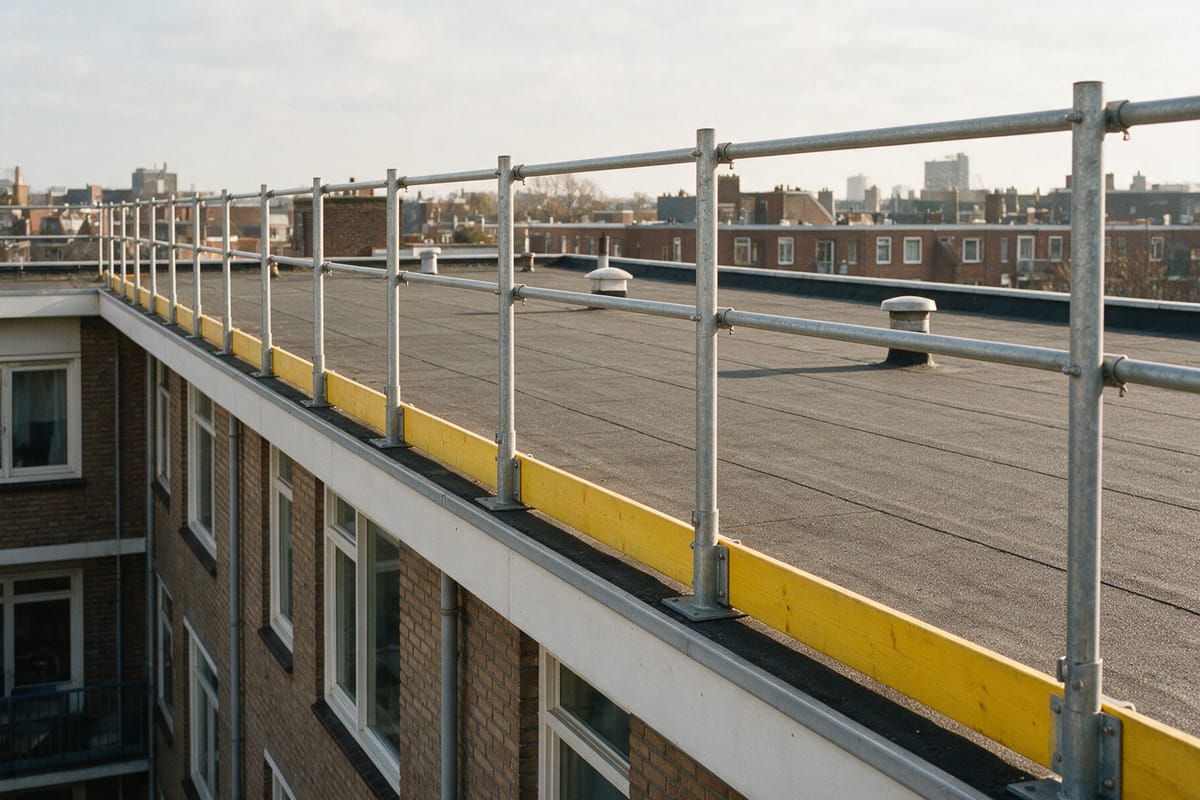
In the Netherlands from a possible fall of 2.5 metres, and lower as soon as there is an opening in the floor or anything else that makes a fall worse, such as water or traffic below. Belgian rules for work at height set no fixed height: the risk assessment decides. In both countries, a guardrail or scaffold comes before a harness.

· 5 min read

SafetyBE

Working at height in Belgium: what the Code on Well-being asks

Belgium has no fifteen-minute rule like the Netherlands. Instead, your own risk assessment decides when a ladder is still acceptable. What the Code says, what it means on site, and where contractors get caught out.

· 6 min read

EquipmentNL

EN 131 explained: what to look for when buying a ladder

EN 131 is printed on almost every ladder, but what does it mean? The difference between a professional and a domestic ladder, why ladders over three metres have a wider foot, and what to check on the label.

· 6 min read

SafetyNL

The 15-minute rule: how long may you work from a ladder?

Fifteen minutes from the same position is a rule of thumb from practice, not a legal text. The Dutch Working Conditions Decree only allows a ladder as a workplace when the risk is low and the work is short. What that means, and when you need a scaffold tower instead.

· 5 min read

May we measure how you use the site?

With your consent we use Google Analytics to see which pages are visited and what we can improve. Google places cookies for this. Without your consent we place no cookies. More in our privacy statement